
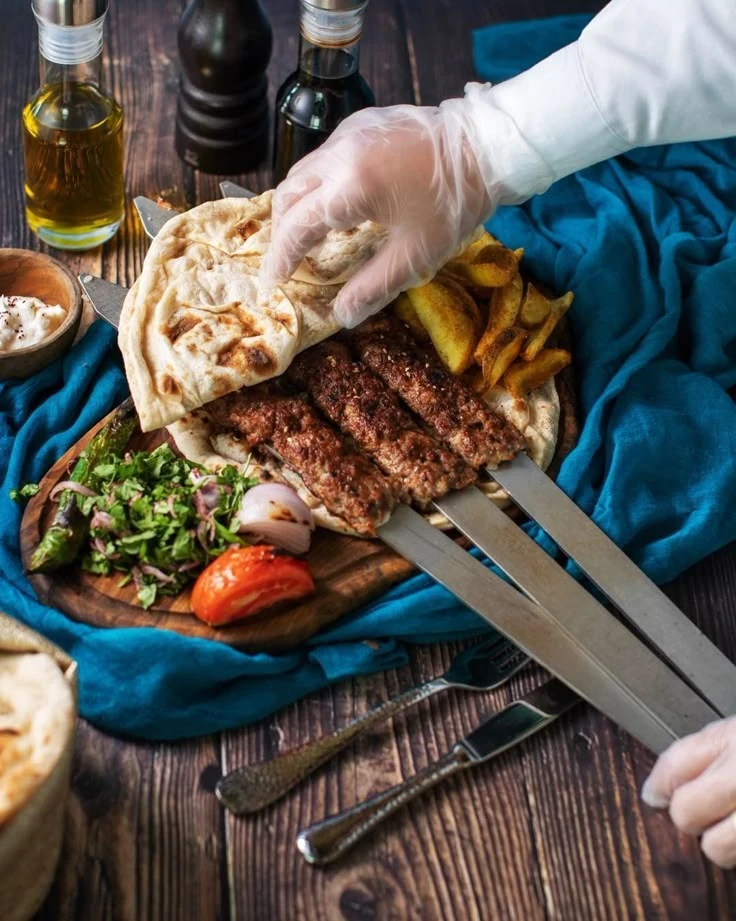
The Rich Cultural Heritage of Persian Cuisine
Persian cuisine, with its intricate tapestry woven from diverse cultural threads, is a reflection of the rich history and traditions of Iran. Rooted in millennia of culinary practice, Persian food embodies a confluence of flavors, ingredients, and cooking techniques derived from its various regions. This vibrant cuisine draws upon the agricultural abundance of Iran, utilizing spices, herbs, and fresh produce to create dishes that are both aromatic and visually appealing.
In Persian culture, food transcends mere sustenance; it is a vital part of family life and social gatherings. Meals are often elaborate affairs, where families come together to share not only food but also stories and cherished moments. Traditional dishes such as kebab, ghormeh sabzi, and rice pilaf are more than just recipes; they carry cultural significance and resonate with nostalgia for many. The preparation of food is typically a collaborative effort, reinforcing familial bonds and reflecting a communal spirit.
This aspect of Persian dining resonates with Australia’s multicultural landscape, where diverse communities celebrate their heritages through food. The inclusion of Persian cuisine in this context represents more than just a meal; it is an invitation to experience a shared cultural dialogue. As families in Australia explore varied culinary landscapes, Persian food emerges as an appealing option, combining comfort and nostalgia with its remarkable flavors and traditions. The rituals surrounding feasting and hospitality in Persian culture invite families to engage in meaningful interactions, making dining an enriching experience.
Moreover, the growing interest in Persian dishes among Australian families highlights the universal appeal of its culinary heritage. As these traditions blend into the multicultural fabric of Australia, they foster connections that transcend cultural boundaries, making Persian dining an extraordinary choice for family gatherings.
Flavors and Ingredients: A Feast for the Senses
Persian cuisine is renowned for its rich and diverse flavors, which are created through the thoughtful combination of unique ingredients. Central to many dishes is saffron, often referred to as red gold due to its distinct flavor and bright color. This aromatic spice adds depth and a slightly sweet note to rice dishes, stews, and even desserts, making every meal a sensory delight. Another hallmark of Persian cooking is the use of pomegranate, which contributes vibrant color and a tart sweetness to salads and sauces. The delightful taste of pomegranate not only enhances the flavor profile but also appeals to the visual senses, making the presentation of dishes truly remarkable.
Fresh herbs play a pivotal role in Persian cuisine, with parsley, cilantro, dill, and mint commonly featured in various recipes. These herbs not only provide freshness and flavor but also help in achieving that balance which Persian dishes are celebrated for. A typical meal might present a harmonious blend of sweet, sour, and savory, catering to the diverse palates of family members. This balance makes Persian food appealing to children, teenagers, and adults alike, fostering an inclusive dining experience that encourages shared enjoyment.
Moreover, the presentation of Persian food is an art form—colorful, aromatic, and visually striking. Dishes are often beautifully arranged, accompanied by an array of vibrant garnishes such as sliced cucumbers, tomatoes, and pickled vegetables. This visual appeal complements the enticing aromas that waft from cooking, further enhancing the overall experience of family meals. In essence, the unique flavors and aesthetically pleasing presentations of Persian dishes combine to create an unforgettable feast for the senses, making it an excellent choice for family dining in Australia.
Healthy and Wholesome: The Nutritional Benefits of Persian Dishes
Persian cuisine is renowned not only for its vibrant flavors but also for its remarkable health benefits. Central to this culinary tradition is the use of a diverse array of fresh vegetables, lean meats, and complex grains. These components form the basis of many traditional Persian dishes, ensuring that meals are both nourishing and satisfying. Dishes such as khoresht (stews) and albaloo polow (sour cherry rice) showcase an abundance of vegetables and legumes, leading to a rich intake of essential vitamins and minerals.
Herbs and spices stand out as defining features of Persian cuisine, elevating the dishes not only in taste but also in healthful qualities. Common ingredients such as turmeric, garlic, and mint not only enhance flavor but also bring anti-inflammatory properties and significant antioxidant content. The incorporation of such herbs not only serves to increase the nutritional value of each dish but also aids in digestion and overall wellness. This emphasis on wholesome ingredients contributes to the growing recognition of Persian food as a nutritious, health-conscious option for families.
Moreover, Persian dishes are highly adaptable, catering to various dietary preferences and constraints. Vegetarian and vegan options abound, while those looking for gluten-free opportunities can find plenty of suitable dishes made with rice or other alternative grains. This flexibility enables families to enjoy meals that not only appeal to individual tastes but also accommodate specific health needs.
In this way, Persian cuisine emerges as an excellent choice for health-conscious families living in Australia, allowing them to enjoy flavorful meals that align with their nutritional goals. The combination of fresh ingredients and carefully selected spices ensures that every dining experience is both satisfying and nourishing, making it a perfect fit for family gatherings.
Persian Food as a Communal Dining Experience
Persiandining is characterized by its communal and family-style serving, making it an excellent choice for family gatherings in Australia. Meals are typically presented in large platters, allowing everyone at the table to share and partake in the various dishes available. This encourages not only a sense of togetherness but also fosters lively conversations. As family members and guests pass around the platters filled with fragrant rice, grilled meats, and colorful vegetable dishes, the meal becomes an interactive experience, enhancing the bonds between individuals.
Moreover, the emphasis on sharing rather than individual plates reflects deeper cultural values of hospitality and community in Persian tradition. This aspect resonates well with the Australian informal dining culture, where the focus is on comfort and casual interactions. Persian meals are often accompanied by freshly baked bread, yogurt, and herbs, which seamlessly adds to the variety and enhances the overall experience. The variety of color and flavor in Persian cuisine not only delights the palate but also makes for vibrant table settings, further enriching the communal dining atmosphere.
Another notable custom within Persian dining is the use of rugs and cushions. Instead of traditional dining chairs, families and friends frequently gather on the floor, creating a relaxed and inviting environment. This practice aligns perfectly with the laid-back lifestyle often embraced in Australia, where comfort is paramount in social gatherings. The act of coming together on rugs not only embodies a familial environment but also signifies the importance of nurturing relationships over meals. In essence, Persian food enhances communal dining experiences, making family meals memorable and cherished moments.